
The 3 Phases of Environmental Site Assessments: What GTA Commercial Buyers Need to Know in 2026
- August 24, 2026
- Posted by: ksdhaliwal
- Category: Mortgage Tips
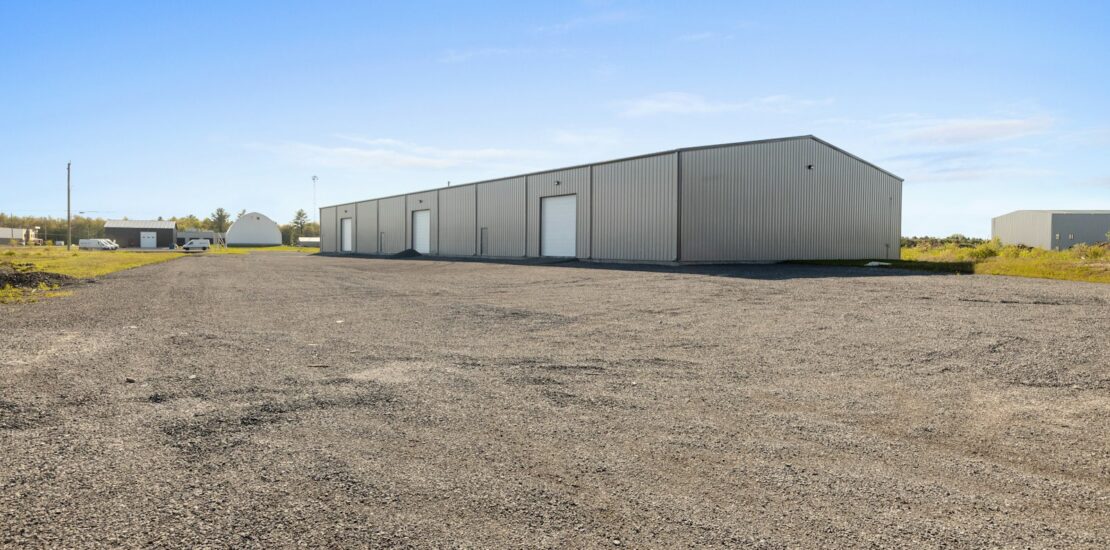
An environmental site assessment GTA 2026 buyers need before financing commercial or industrial property is one of the most overlooked line items in a deal — and it can quietly stall your closing if you don’t plan for it early. If you’re buying, refinancing, or redeveloping property anywhere in the GTA, there’s a good chance your lender is going to require one before advancing any funds.
Environmental site assessments (ESAs) come in three phases, each with a different purpose, cost, and timeline. Understanding the difference before you’re mid-transaction can save you weeks of delay and thousands of dollars in surprises.
Environmental Site Assessment GTA 2026: Why It Matters for Financing
Contamination liability in Ontario can transfer to a new property owner regardless of who caused it or when. That means buying a former gas station, dry cleaner, auto shop, or industrial site without proper due diligence can leave you holding cleanup costs that run into the hundreds of thousands of dollars.
Lenders know this, which is why environmental assessments have become a near-universal requirement for commercial financing. Every major Canadian bank, credit union, and CMHC-insured lender requires a Phase I ESA before advancing funds on most commercial and industrial properties, and CMHC requires one on every application it insures. If a Phase I turns up a concern, a Phase II becomes mandatory before financing can proceed.
Phase I: The Investigative Stage
A Phase I ESA is a non-intrusive review of a property’s environmental history. No drilling, no soil samples, no lab work — just a deep dive into records, databases, and site observations, conducted to the CSA Z768 standard by a Qualified Person (a licensed P.Eng. or P.Geo., as defined under Ontario’s O. Reg. 153/04).
A proper Phase I covers four areas: a historical records review going back to the property’s first developed use (aerial photos, fire insurance maps, city directories), a physical walk-through of the site and neighbouring properties, a search of provincial and federal environmental databases for spills or violations, and interviews with current or past owners and operators.
The consultant is looking for what’s called a Recognized Environmental Condition, or REC — evidence that a hazardous substance was released, is being released, or could realistically be released on the property. A clean report has no RECs, no unresolved data gaps, and financing typically proceeds without issue. Find a REC, and the lender will almost always ask for a Phase II before committing.
For a small-to-mid-size commercial property in the GTA, a Phase I typically runs $3,000 to $6,000 and takes two to four weeks, longer for larger industrial sites. Build that timeline into your due diligence period from day one — leave it until the final two weeks before your financing condition is due, and it can jeopardize the whole deal.
Phase II: Confirming What Phase I Found
A Phase II ESA only happens if Phase I flags a concern, or if your lender requires it outright for higher-risk property types like former fuel stations or heavy industrial sites. This is where the investigation becomes intrusive: consultants drill boreholes and collect soil, groundwater, or soil vapour samples for lab analysis, following the CSA Z769 standard.
Lab results confirm whether contaminants like petroleum hydrocarbons, volatile organic compounds, heavy metals, or polycyclic aromatic hydrocarbons are present, and at what concentration relative to Ontario’s regulatory thresholds. Phase II is pricier and slower than Phase I — costs commonly range from $10,000 well into six figures depending on the sampling required, with timelines of four to eight weeks or more.
If Phase II comes back clean, financing generally moves forward. If it confirms contamination, the property moves to Phase III.
Phase III: Remediation and Cleanup
Phase III is where the actual cleanup happens. Consultants first delineate the full extent of the contamination — how far it spreads horizontally and vertically — then design and execute a remediation plan, which might involve excavating contaminated soil, installing groundwater treatment systems, or other approved technologies. Confirmatory sampling follows to prove the site meets the standard required for its intended use.
In Ontario, completing remediation to residential or other sensitive land use standards typically leads to filing a Record of Site Condition (RSC) with the Ministry of the Environment, Conservation and Parks under O. Reg. 153/04. An RSC gives both the owner and future lenders documented assurance that the site has been cleaned up to a defined standard, which matters enormously if the property is ever redeveloped, refinanced, or sold. Phase III timelines vary widely — anywhere from a few months to well over a year for complex sites — and costs scale with the size of the contaminated area.
What This Means for GTA Buyers Specifically
Mississauga and Brampton have deep industrial roots, with plenty of commercial stock sitting on land that had prior manufacturing, warehousing, or automotive use. Toronto’s infill redevelopment boom means many sites are being converted from industrial or commercial use into residential or mixed-use buildings — exactly the kind of change-of-use scenario that triggers a closer look from regulators and lenders alike. If you’re eyeing a property with any industrial history anywhere in the GTA, assume a Phase I is coming and budget the time for it.
Kevin’s Take: Build This Into Your Financing Timeline From Day One
In 12+ years of arranging commercial financing, the deals that fall apart at the last minute are almost never about the mortgage rate — they’re about a Phase I ordered too late, or a REC that surfaced with no plan to address it. With access to 50+ lenders, I can help structure financing around environmental conditions where possible, and I loop in clients’ environmental consultants early so the ESA timeline and the financing timeline move together instead of colliding at closing.
If you’re under contract on a commercial or industrial property anywhere in the GTA, bring your mortgage broker in before your Phase I is even ordered. It’s far easier to plan around an environmental finding than to scramble once it’s already on paper.
Contact KSD Mortgages for a free consultation at 647-802-3738 or application@ksdmortgages.com, and let’s make sure your financing and your due diligence stay on the same timeline.